Our History
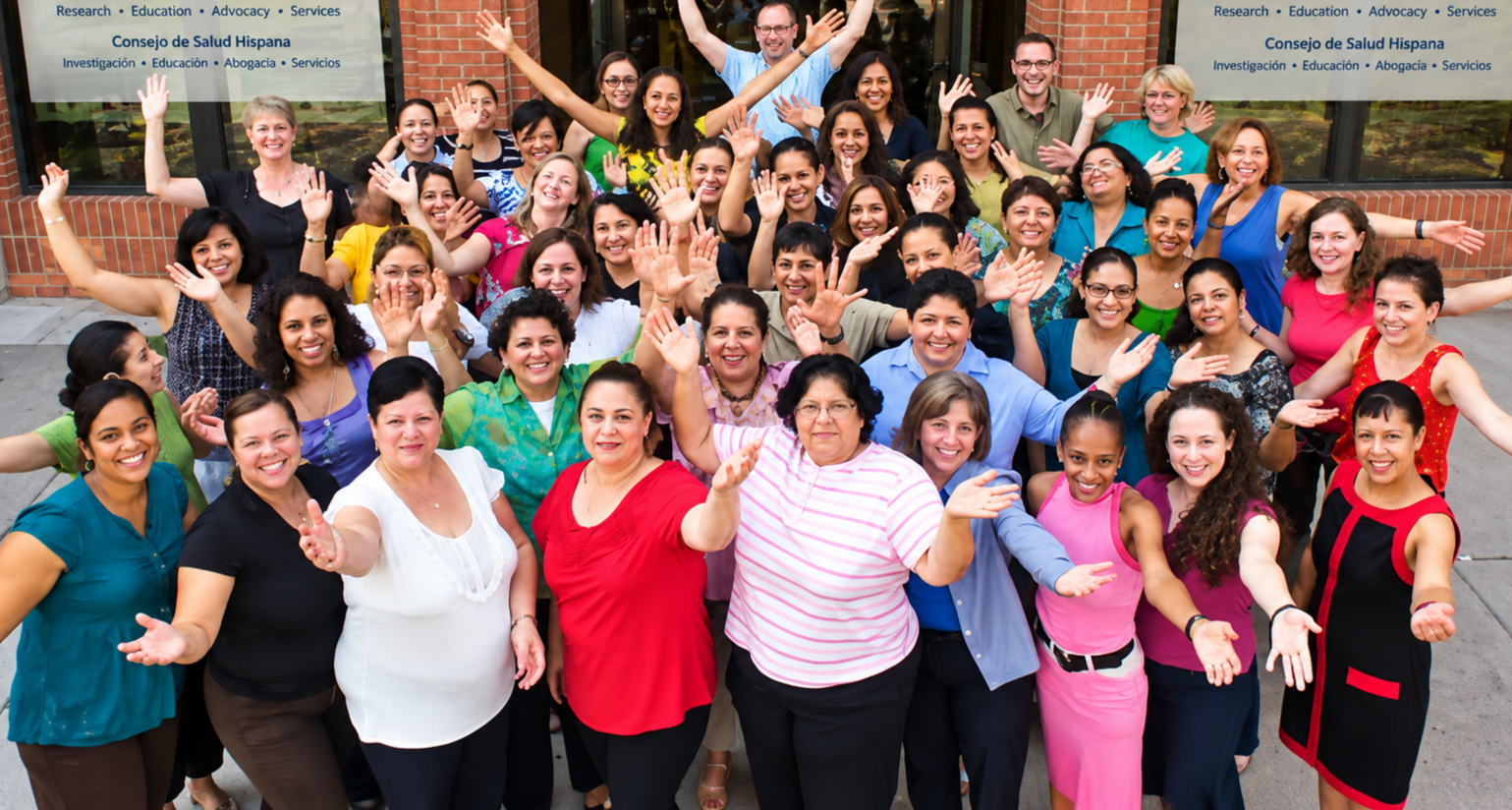
For decades, the Hispanic Health Council has been deeply rooted in the Hartford community, working alongside families to improve health, strengthen communities, and address the social conditions that affect well-being.
HHC was founded with a commitment to serving Hispanic and Latino communities through culturally responsive programs, community-based research, advocacy, education, and direct services. What began as a community-focused organization has grown into a trusted institution serving diverse and vulnerable populations across Connecticut and beyond.
Throughout its history, HHC has developed programs addressing maternal and child health, nutrition, behavioral health, chronic disease prevention, community health, social determinants of health, and other emerging community needs. Partnerships with residents, healthcare organizations, universities, government agencies, and community organizations have remained central to this work.
Today, the Hispanic Health Council continues to build on that legacy—combining community knowledge, research, advocacy, partnerships, and culturally resonant services to advance health equity.
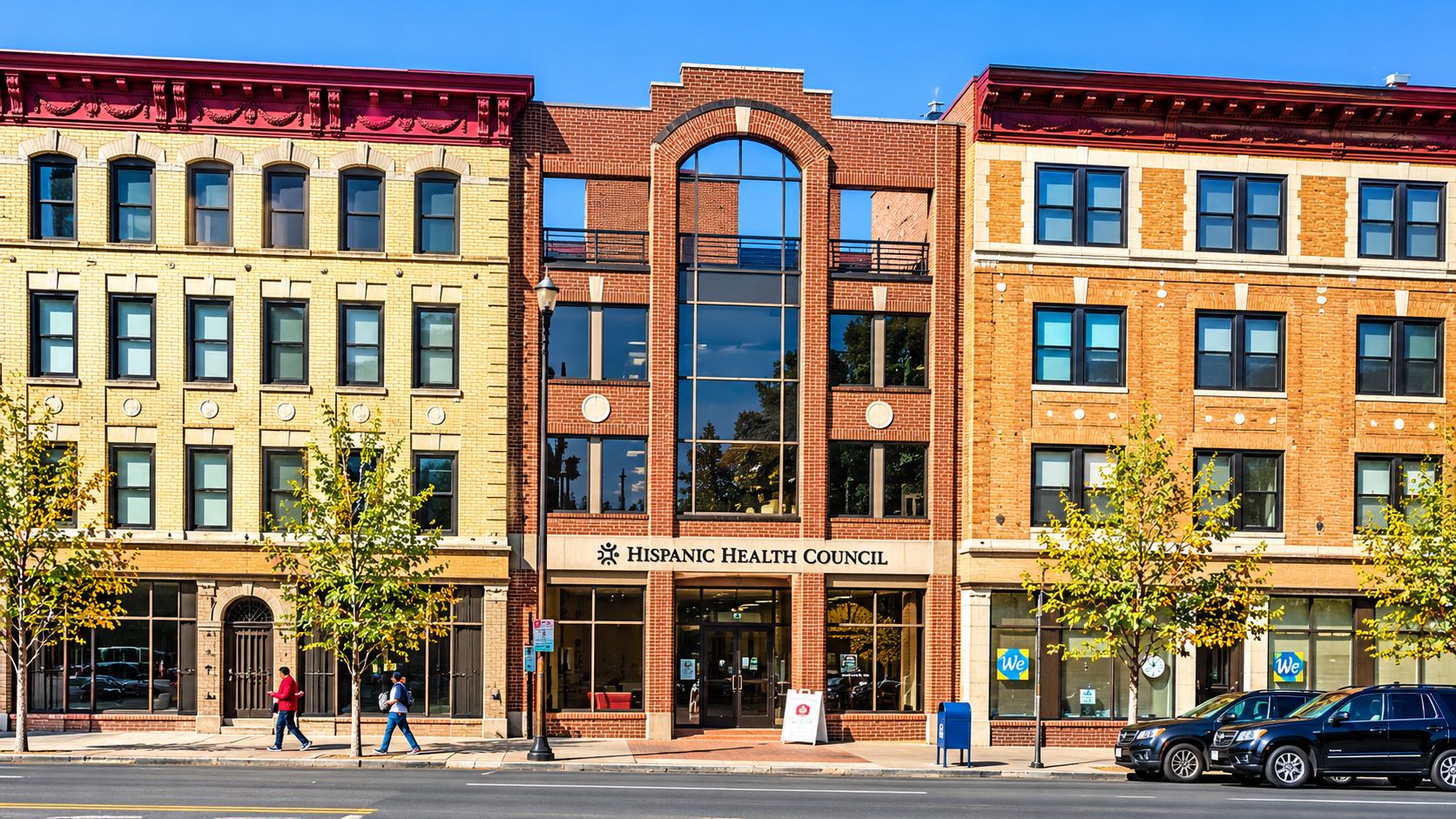
Our Journey
Rooted in Community. Growing Toward a Healthier Tomorrow.
The Hispanic Health Council (HHC) was founded in 1973 by a group of community leaders, healthcare professionals, and concerned residents who recognized the urgent need for culturally competent health services for the Hispanic/Latino community in Hartford.
What began as a grassroots effort has grown into a trusted community health organization, providing care, advocacy, research, and support to individuals and families across Connecticut.
1973
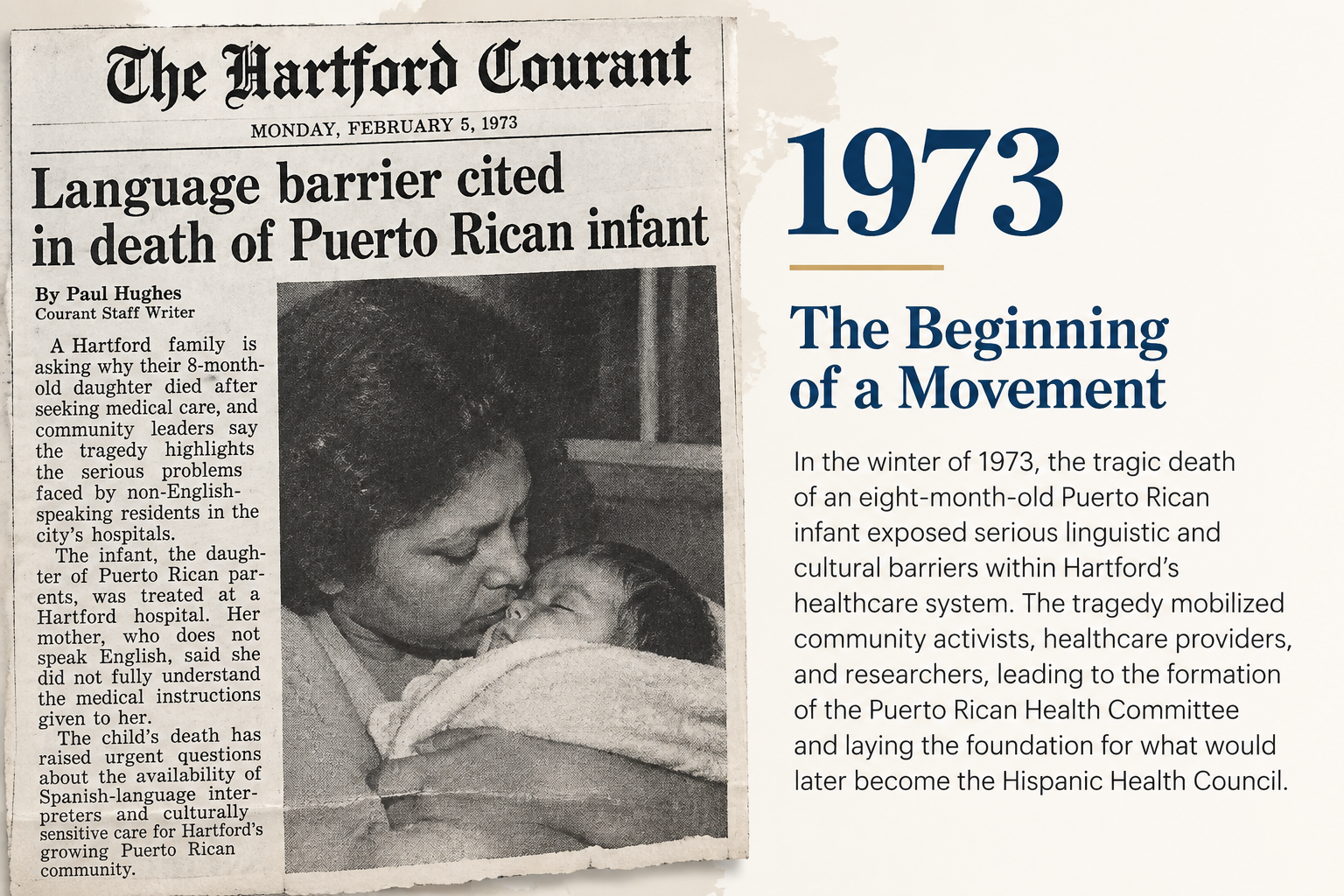
The Beginning of a Movement
A community movement emerged in Hartford in response to serious linguistic and cultural barriers affecting Puerto Rican families seeking healthcare. Community advocates, healthcare professionals, and researchers came together to demand more equitable and culturally responsive care.
1978
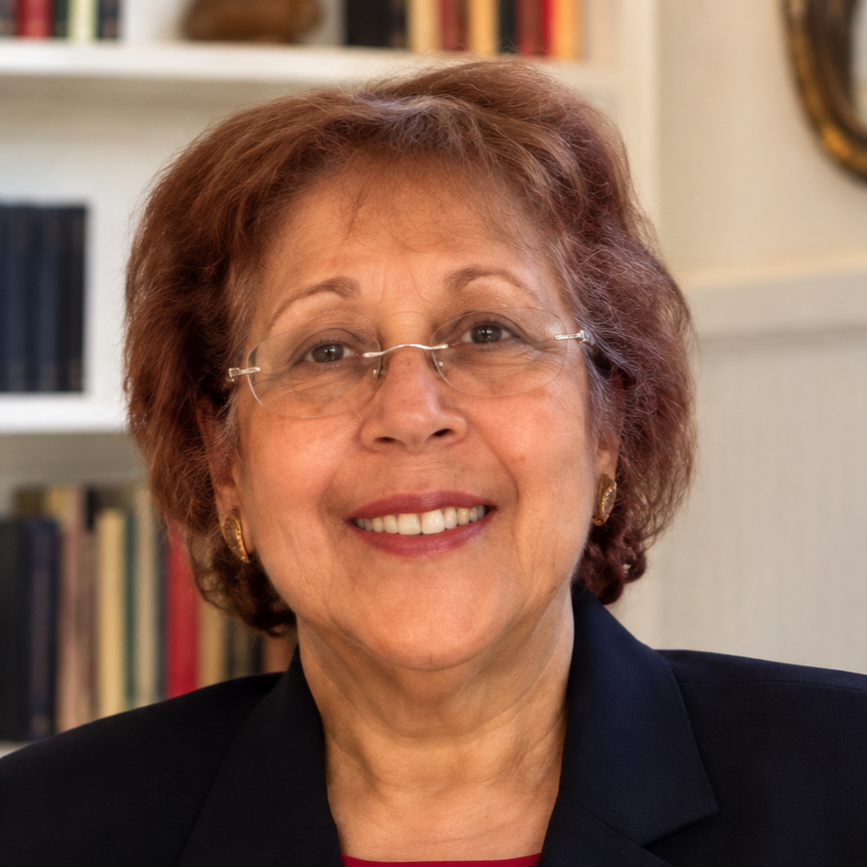
Hispanic Health Council Is Founded
The Hispanic Health Council was formally established in Hartford in 1978, building on years of community advocacy and research. With Maria Borrero serving as its first Executive Director, HHC began its mission to address health disparities through culturally responsive services, community-based research, education, and advocacy.
1980
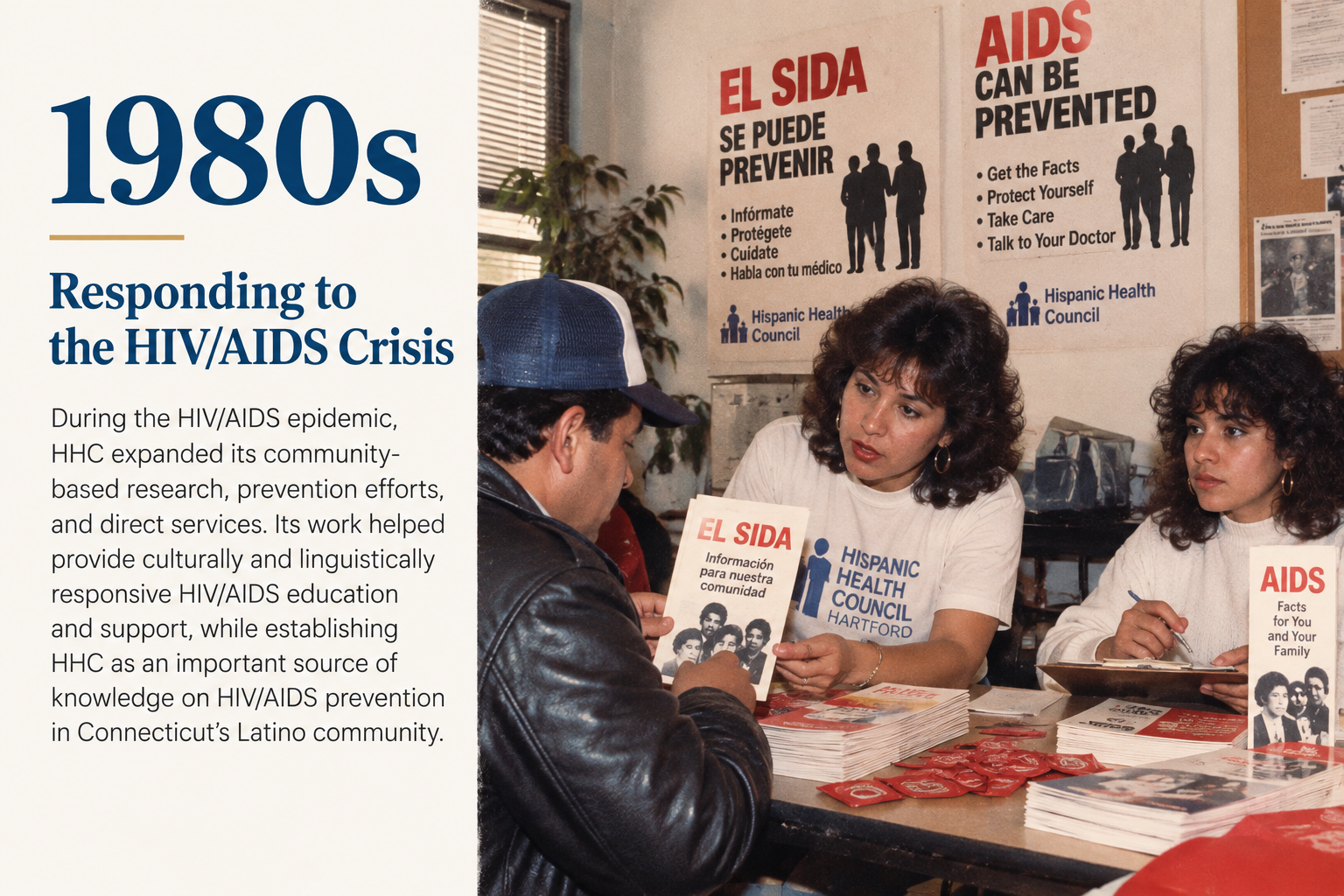
Responding to the HIV/AIDS Crisis
During the HIV/AIDS epidemic, HHC expanded its research, prevention efforts, and direct community services. The organization became an important source of culturally and linguistically responsive education and support for communities disproportionately affected by the crisis.
2013

A Major Expansion
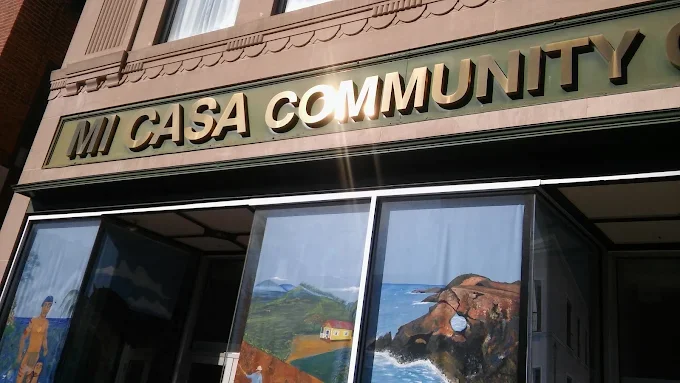
HHC expanded its reach through a merger with Mi Casa Family Services Educational Center of Hartford and Hispanos Unidos of Meriden and New Haven. The expansion strengthened HHC's capacity to provide youth programs, HIV prevention, support services, and other community-based initiatives.
2023
Family Wellness Center
HHC expanded its community presence with the Family Wellness Center at 590 Park Street in Hartford. The center brings services and community partners together to support a holistic approach to health and wellness for individuals and families.
2025
A New Identity for Research
In 2025, the Hispanic Health Council introduced the National Hispanic Health Research Institute (NHHRI) as the new identity of its research department, strengthening its commitment to advancing health equity through community-engaged research, data, and innovation.
Building on Our Legacy
Rooted in community. Advancing health equity.
As community needs evolve, HHC continues to grow—connecting individuals and families with resources, strengthening partnerships, expanding research, and developing programs that support healthier communities.
Today, the Hispanic Health Council continues to build on more than four decades of community leadership. Through culturally resonant services, research, advocacy, education, and strategic partnerships, HHC works to address health disparities and advance health equity for Hispanic, Latino, and other vulnerable communities.